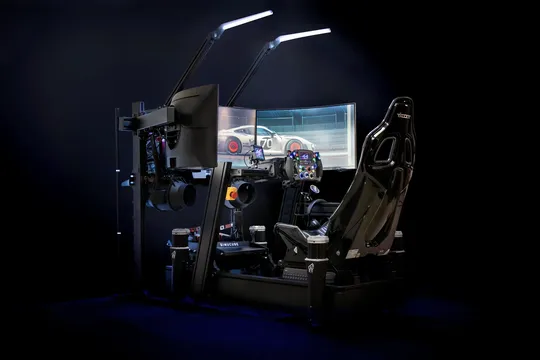
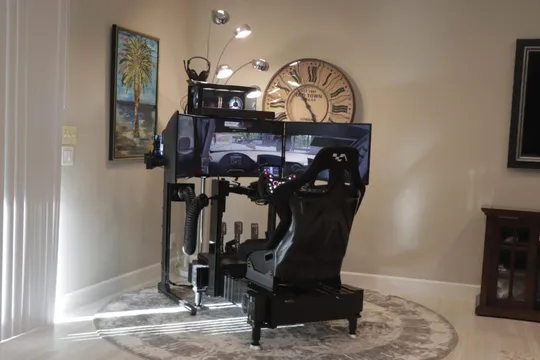
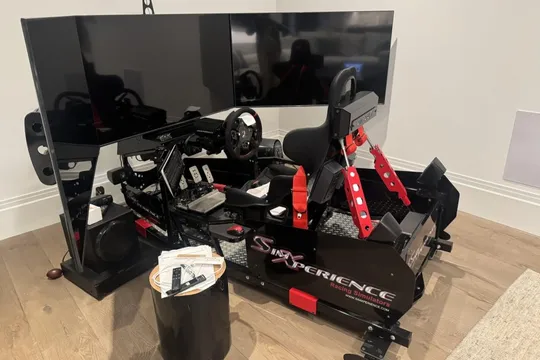
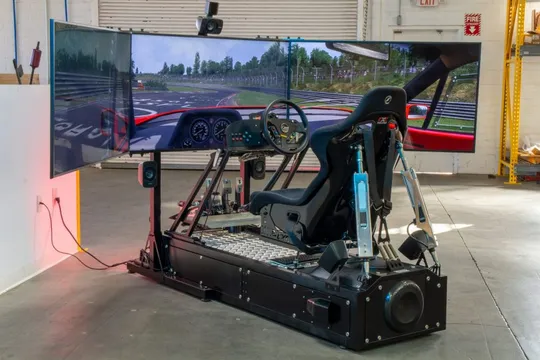
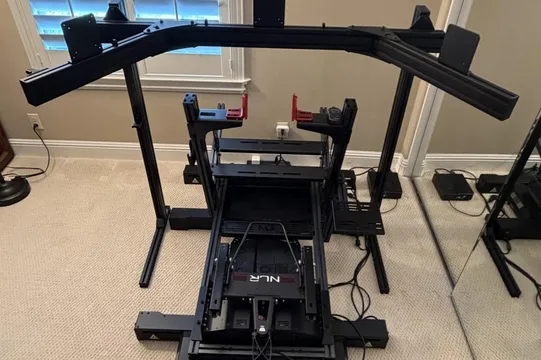
Racing simulators have evolved from simple arcade cabinets into sophisticated training tools used by professional drivers. While early examples from the 1970s and 80s were basic, modern systems offer incredible realism with direct-drive force feedback, full-motion platforms, and virtual reality integration.
Collectors and enthusiasts seek out simulators for different reasons. Some appreciate the nostalgia of vintage arcade units, while others want a functional tool for practice and online competition. The most valuable simulators often have direct provenance to a professional racing team or driver, making them a unique piece of motorsport history you can actually use.
The market is diverse, with 61 sales ranging from simple components to complex rigs. An average sale price of $25,478 shows that buyers are investing heavily in high-end setups. The top of the market is defined by professional, full-motion simulators from manufacturers like CXC Simulations or bespoke systems built for F1 teams, which can sell for over $100,000.
Buying Tips
- Check for hardware and software compatibility. Ensure the wheel, pedals, and shifter work with the PC or console and the desired simulation software.
- For motion simulators, test the system for smooth, quiet operation. Inspect actuators and hydraulic lines for any signs of leaks or damage.
- Provenance is critical for valuable, professional-grade simulators. Ask for documentation verifying its history with a specific team or driver.
- Evaluate the quality of the core components. Look for desirable items like direct-drive wheelbases, load-cell pedals, and a rigid aluminum profile cockpit.
Prices for racing simulators range from $210 for individual components to $106,000 for professional-grade, full-motion systems.
Run a business in this market?
Get Hypercars OS