
Lotus Seven
The Lotus Seven is the ultimate expression of Colin Chapman's 'simplify, then add lightness' philosophy. Originally sold as a kit, it's a collector's icon prized for its incredibly low weight and raw, unfiltered driving experience.
Lotus Seven sold for a median of $20,130 over the last 12 months, based on 12 auction sales; the middle 50% sold between $14,110 and $26,188. 33 currently for sale.
Get new Lotus Seven listings by email
About 2 a week across 5 sites.
Lotus Seven Specsacross 4 versions
- Horsepower
- 40–84 hp
- Torque
- 50–78 lb-ft
- 0-60 mph
- 11.0s
- Top Speed
- 85–95 mph
- Curb Weight
- 1,100–1,120 lbs
Lotus Seven prices by version
| Version | Median sale | Middle 50% | Auction sales |
|---|---|---|---|
| Seven Series 4 | $20k | $13k–$27k | 6 |
| Seven Series 2 | $23k | $18k–$28k | 4 |
Auction sales in the last 12 months; prices leave out salvage and other branded titles.
Lotus Seven prices by year
| Year | Median (3 yrs) | Middle 50% | Sales (3 yrs) | For sale now |
|---|---|---|---|---|
| 1961 | $26k | – | 3 | 0 |
| 1962 | $20k | – | 3 | 8 |
| 1963 | $23k | – | 1 | 0 |
| 1964 | $17k | $15k–$21k | 4 | 1 |
| 1965 | $39k | – | 2 | 8 |
| 1967 | $36k | – | 1 | 2 |
| 1969 | $24k | – | 2 | 0 |
| 1970 | $20k | $17k–$24k | 4 | 2 |
| 1971 | $23k | – | 2 | 2 |
| 1972 | $15k | – | 3 | 0 |
| 1974 | – | – | 0 | 3 |
Auction sales in the last 3 years; prices leave out salvage and other branded titles.
Listings


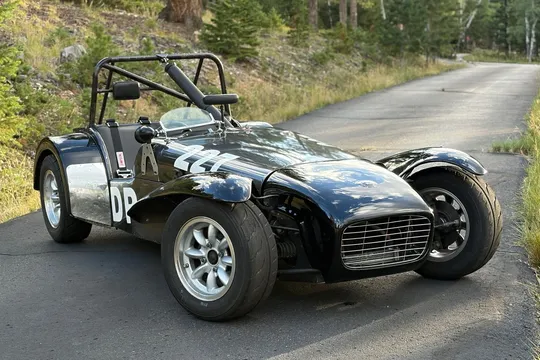
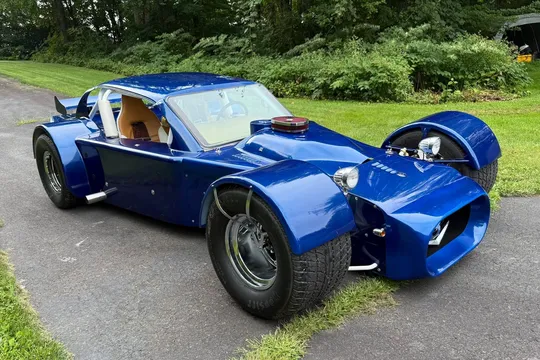
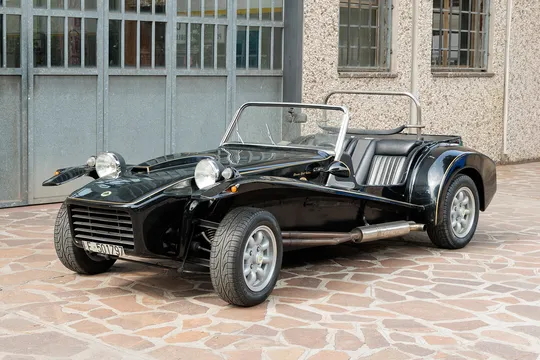

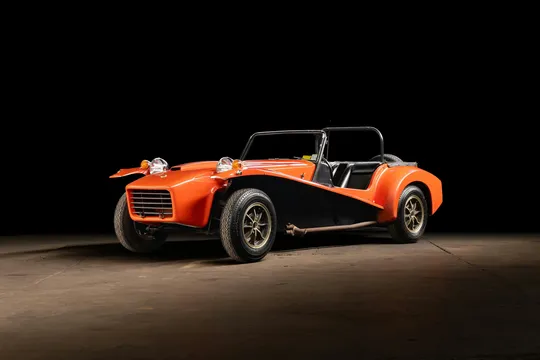
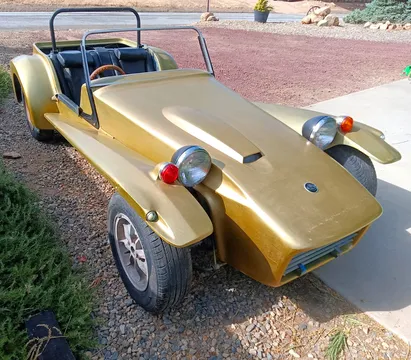
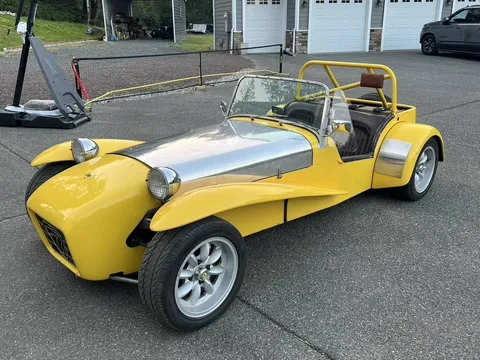
Lotus Seven Submodels
The Lotus Seven is the ultimate expression of Colin Chapman's design philosophy: simplify, then add lightness. Originally sold as a kit car from 1957 to 1972, the Seven offered incredible performance for club racers and road drivers. Its minimalist construction, with an aluminum body over a steel spaceframe, resulted in a car that often weighed less than 1,200 pounds.
Collectors value the Seven for its raw, unfiltered driving experience and historical importance. It’s a direct link to the golden age of British sports cars, and its design has been famously continued by Caterham since 1973. The driving sensation is unlike almost anything else, with immediate steering response and a profound connection to the road.
The market for genuine Lotus Sevens is steady, with an average price just under $30,000 based on 26 recent sales. Values are heavily dependent on the series (S1-S4), engine specification, originality, and any period race history. Early Series 1 cars with Coventry Climax engines are the most sought-after, while later cars and those with non-original powertrains are more affordable.
Buying Tips
- Inspect the steel spaceframe chassis carefully for corrosion, cracks, and signs of accident repairs, especially around suspension mounting points.
- Verify the car's provenance and paperwork, as many were sold as kits and have complex histories. A documented ownership and build history is a huge plus.
- Original engines, like the Ford Kent or Coventry Climax, add significant value. Many Sevens have been modified, so confirm the powertrain's specification.
- Check the aluminum body panels for corrosion, dents, and stress fractures. While factory fit wasn't perfect, poor repairs can be difficult to correct.
Based on recent sales, prices range from $11,750 to $60,000.
161 Lotus Seven vehicles have been tracked across auctions and listings on Hypercars, with 33 currently live.
Data sourced from auction results and dealer and private listings, including Bring a Trailer, Cars & Bids, Mecum, RM Sotheby’s and eBay Motors. Updated daily.
Frequently Asked Questions
How much does a Lotus Seven cost?
Over the last 12 months, Lotus Seven sold for a median of $20,130 across 12 auction sales tracked on Hypercars; the middle 50% sold between $14,110 and $26,188. There are 33 currently for sale.
How many Lotus Seven listings are for sale right now?
There are 33 Lotus Seven listings currently live across auctions, dealers, and marketplaces tracked by Hypercars.
How fast is a Lotus Seven?
Across its 4 versions, the Lotus Seven does 0-60 mph in 11.0 seconds and tops out at 85–95 mph.
How much horsepower does a Lotus Seven have?
Across its 4 versions, the Lotus Seven makes 40–84 hp.