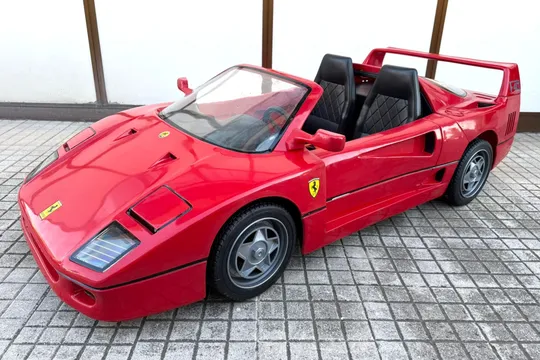
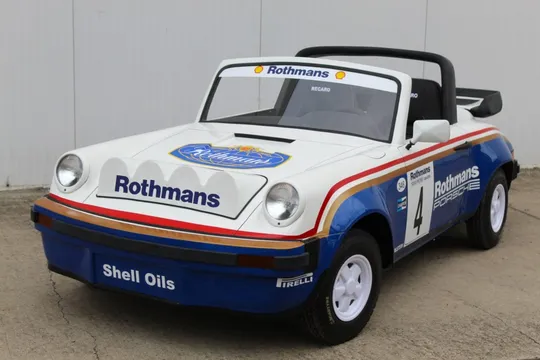
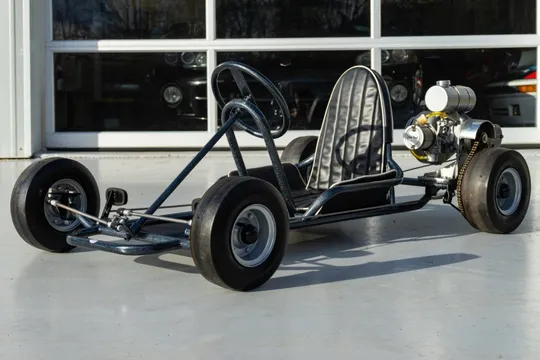
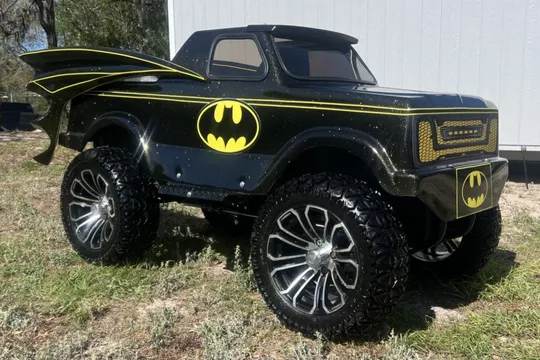
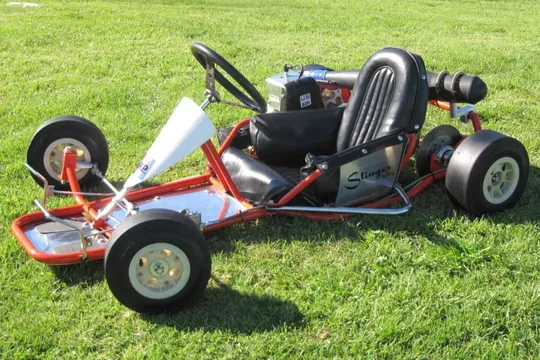
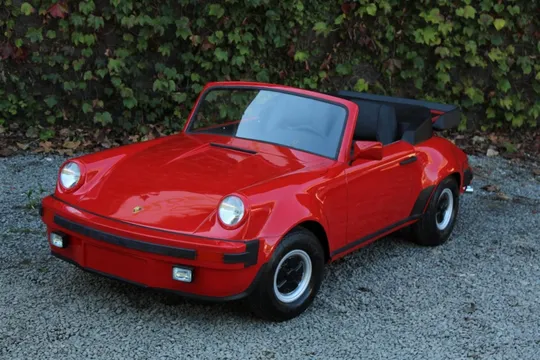
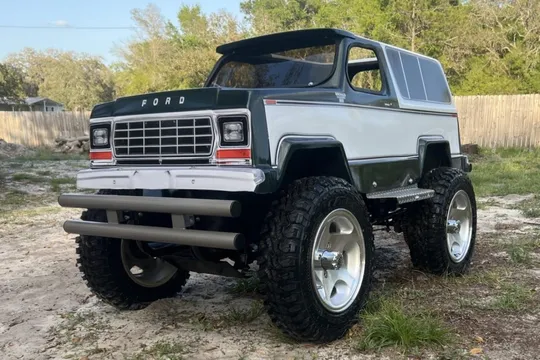
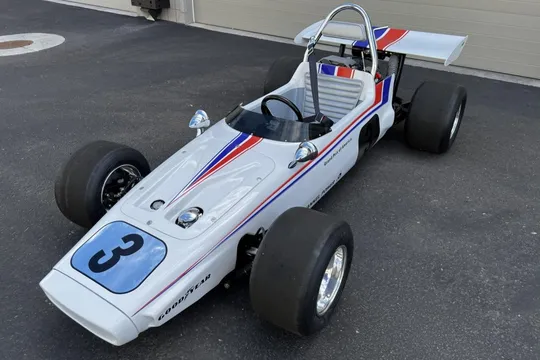
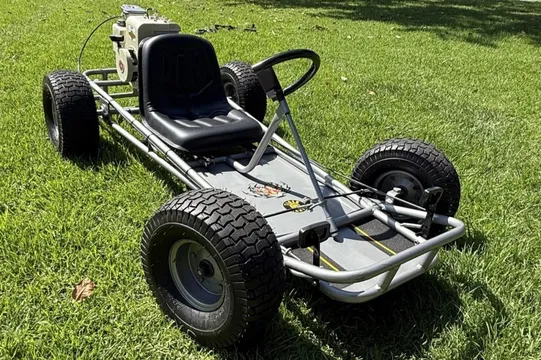
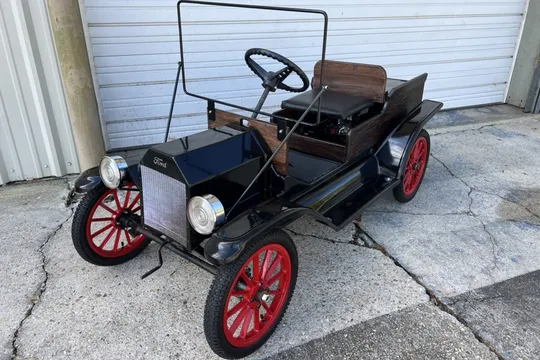
Competition go-karts trace their roots to Southern California in the late 1950s, when Art Ingels built the first kart using a West Bend 2-stroke engine. The concept quickly exploded, with companies like McCulloch, Go Kart Manufacturing Co., and Rupp building chassis and engines. By the 1960s, karting had become a global motorsport and a recognized first step for aspiring professional drivers, with specialized classes and international championships solidifying its place in the racing world.
Collectors are drawn to competition karts for their historical significance and raw mechanical purity. Many enthusiasts seek out the specific models they raced in their youth, while others hunt for karts with championship provenance or those driven by future Formula 1 stars. Brands like Birel, Tony Kart, and Margay carry significant weight, and original, period-correct engines like the McCulloch MC series or Parilla reed-valves are highly desirable. Their small size also makes them relatively easy to display and maintain compared to full-size collector cars.
The market for competition karts is broad, with over 360 sales showing consistent interest. Prices reflect this diversity, ranging from accessible vintage projects to professionally restored, race-winning machines demanding significant premiums. Karts with documented history and period-correct components consistently fetch the highest prices, while newer, but less historically important, models trade at lower values.
Buying Tips
- Verify provenance for high-value karts. Logbooks, period photos, and race results are critical to confirming a kart's history and value.
- Inspect the chassis frame carefully for cracks, especially at weld points, engine mounts, and kingpin yokes. Past repairs should be scrutinized for quality.
- Check for period-correct components. Original engines, carburetors, wheels, and bodywork are key to a vintage kart's value. A non-original engine can cut the price in half.
- Differentiate between a restored kart and a well-preserved original. While a good restoration is valued, a kart with original paint and components is often more desirable to serious collectors.
Prices range from $325 for basic projects to $45,000 for professionally restored or historically significant karts.
Run a business in this market?
Get Hypercars OS