
Porsche 996 Years to Avoid (and the Best Years to Buy)
Summary
The 996 (1999-2005) is the cheapest way into 911 ownership, and year choice is mostly an IMS bearing story. 1999 cars run the early dual-row bearing with the lowest failure rate — and the lowest prices at a $29K average. 2000-2001 cars are transitional, and 2002-2004 cars carry the single-row bearing with the well-known failure risk, fully addressable with a $2K-$3K retrofit. The 996.2 years (2002-2004) add the 3.6L engine and refreshed styling; 2004's $61K average reflects heavy GT3 and Turbo mix. Turbo and GT models in every year use the Mezger engine — no IMS at all.
Rankings
- 1
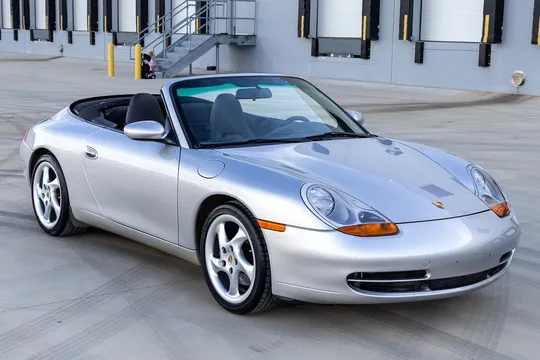 1999Avg $28,758 12-mo -5.0%n=243 sold
 - 2
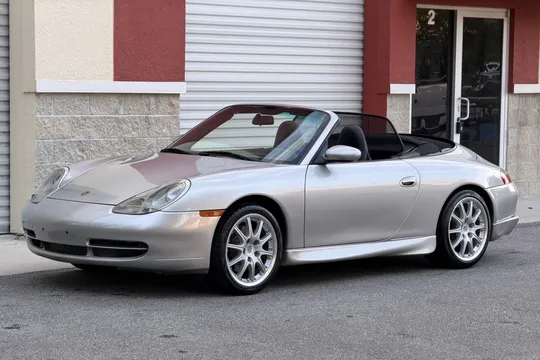 2000Avg $31,337 12-mo -10.7%n=166 sold
 - 3
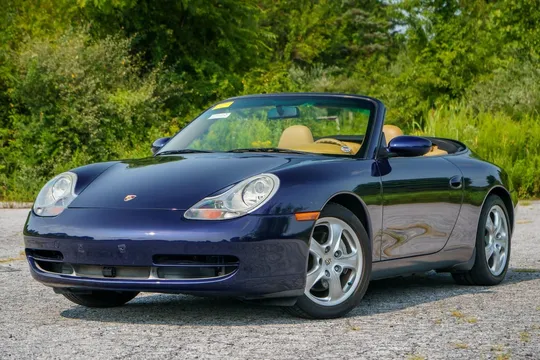 2001Avg $50,139 12-mo +10.0%n=256 sold
 - 4
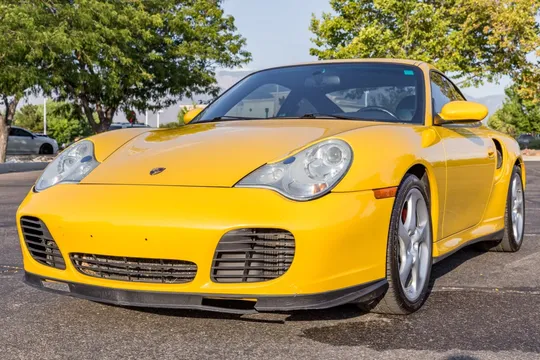 2002Avg $52,421 12-mo +33.5%n=246 sold
 - 5
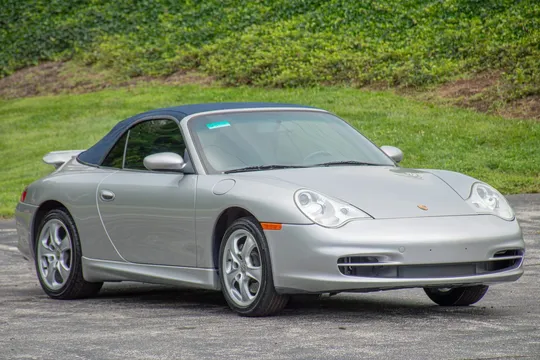 2003Avg $52,139 12-mo +15.5%n=225 sold
 - 6
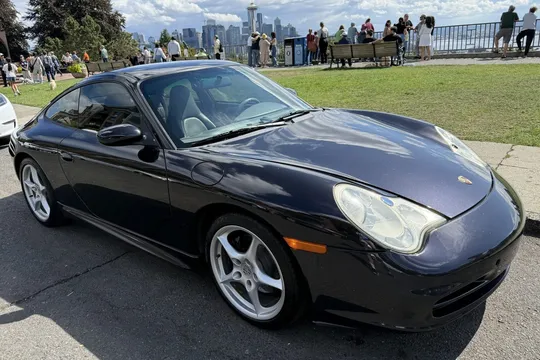 2004Avg $63,607 12-mo +16.9%n=267 sold
 - 7
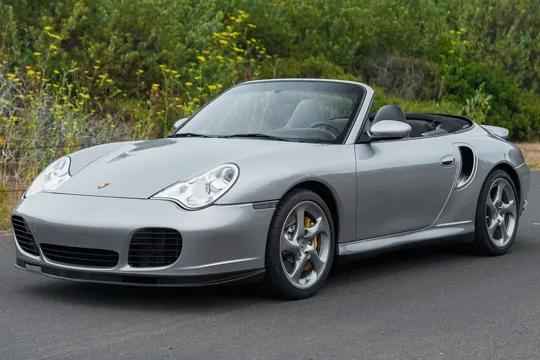 2005Avg $82,770 12-mo +47.0%n=63 sold
Comparison
| Model | Avg Price | Typical Range | Sales | 12-mo Trend | Avg Mileage |
|---|---|---|---|---|---|
| 1999 | $28,758 | $15,525 – $48,000 | 243 | -5.0% | 79,767 |
| 2000 | $31,337 | $15,025 – $71,147 | 166 | -10.7% | 75,257 |
| 2001 | $50,139 | $15,512 – $115,375 | 256 | +10.0% | 65,701 |
| 2002 | $52,421 | $16,756 – $174,647 | 246 | +33.5% | 69,045 |
| 2003 | $52,139 | $17,414 – $133,400 | 225 | +15.5% | 64,245 |
| 2004 | $63,607 | $21,825 – $157,549 | 267 | +16.9% | 55,845 |
| 2005 | $82,770 | $29,875 – $156,273 | 63 | +47.0% | 47,363 |
How to Choose
- There is no truly forbidden 996 year — the IMS risk is real but manageable on every Carrera, and the retrofit is $2K-$3K done with a clutch.
- 1999 cars have the more durable dual-row bearing and the lowest buy-in ($29K average in our data) — the stealth value pick if the rest of the car checks out.
- 2000-2001 cars are transitional and 2002-2004 cars are single-row — the design with the highest reported failures. Buy on a documented retrofit or price one in.
- The 996.2 (2002-2004) brought the 3.6L engine, better headlights, and stronger values — our year averages climb from $50K to $61K through the run.
- Turbo, GT2, and GT3 models use the unrelated Mezger engine in every year: zero IMS concern, which is why the 2004-2005 averages read so high.
Frequently Asked Questions
- Which Porsche 996 years should I avoid?
- None outright — but 2000-2001 Carreras carry the single-row IMS bearing with the highest reported failure rates, so insist on a documented retrofit or budget $2K-$3K for one. The 1999 cars use the more durable dual-row design.
- What is the best year 996 to buy?
- For value, 1999 — the dual-row bearing and a $29K average. For the best car, a 2002-2004 996.2 with the 3.6L engine and a documented IMS retrofit. For zero IMS anxiety, any Turbo or GT3.
- How much does a Porsche 996 cost?
- In our data, year averages run from $29K (1999) to $79K (2005, a Turbo-heavy final year) — the later years lifted by Turbo, GT3, and 40th Anniversary sales. Honest early Carreras still trade in the low-$20Ks.
- How much does the 996 IMS fix cost?
- The preventive retrofit runs $2,000-$3,000, typically done alongside a clutch replacement — unlike later 997.1 engines, every 996 bearing is serviceable. A failed bearing means a $15K-$25K rebuild, which is why documentation matters.
- Is the 996 Turbo affected by IMS problems?
- No. The Turbo, GT2, and GT3 use the Mezger engine with a completely different intermediate shaft design — no IMS bearing concern in any year. That security is a big part of why 996 Turbo values are up nearly 40% in our 12-month data.
Methodology and sources
Based on 1,466 sold listings from the last 2 years across Bring a Trailer, Cars & Bids, eBay Motors, PCarMarket, Collecting Cars, and other auction and marketplace sources. Prices are normalized to USD. Typical ranges show the 5th–95th percentile of sold prices. Stats update daily.
Related Guides
- Porsche 997 Years to Avoid (and the Best Years to Buy)Which Porsche 997 model years to avoid and which are the safest buys, based on real reliability data
- Porsche 996 Buying Guide: Every Submodel RankedPorsche 996 buyer's guide with every submodel ranked by price, reliability, and value
- Porsche 996 vs 997: Which Should You Buy in 2026?Head-to-head comparison of the Porsche 996 and 997 generations backed by real pricing data
- Cheapest Porsche Models to Buy in 2026The most affordable Porsche models ranked by real market prices, your entry into the brand
- Porsche 996 Turbo vs 997 Turbo: Twin-Turbo 911 ComparisonComparing 2 generations of twin-turbo Porsche 911s by price, performance, and investment potential